 Polokwane City FC Hub
As Polokwane City FC continues to navigate the Betway Premiership, their recent form has revealed both strengths and weaknesses that deserve deeper examination. With the team’s dedication to attacking football, there have been moments of brilliance, but also instances where tactical adjustments could lead to more favorable outcomes.
Current Tactical Overview
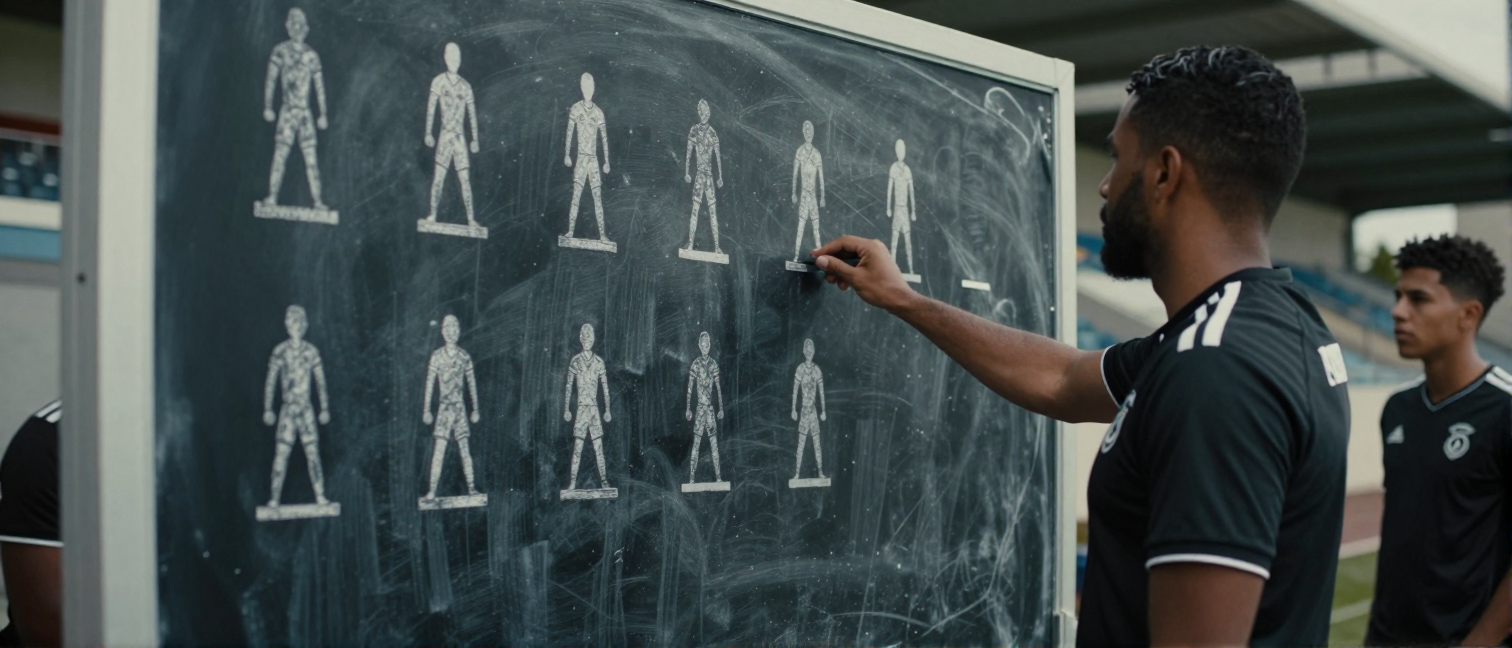
Polokwane City has predominantly employed a 4-3-3 formation, which emphasizes width and quick transitions. This setup allows the wingers to stretch the play and create opportunities for strikers. However, the recent matches have shown that while the intent is commendable, the execution often falters, particularly in the final third. The team has struggled with converting possession into clear-cut chances, often resulting in a lack of goals.
Midfield Dynamics
The midfield trio has been pivotal in controlling the tempo, but a lack of cohesiveness has been evident in crucial moments. Players have occasionally found themselves isolated, leading to gaps that opponents can exploit. A more fluid midfield, perhaps transitioning to a diamond formation, could provide more numerical superiority in central areas and enhance ball retention. By having a player dedicated to linking defense and attack, Polokwane can create more intricate plays, allowing forwards to receive the ball in better positions.
Defensive Adjustments
Defensively, Polokwane City has shown resilience but can be susceptible to counter-attacks. The full-backs often push high up the pitch, leaving space behind them. Tweaking the defensive strategy to adopt a more conservative approach when leading or in tightly contested matches could prevent conceding late goals. Implementing a staggered defensive line with one full-back holding back during attacking phases might maintain balance and cover defensive vulnerabilities.
Pressing Strategy
Moreover, the pressing strategy could use refinement. While the team shows intent to press high, communication appears lacking, which leads to disjointed efforts. Fostering a more synchronized pressing unit will not only disrupt opponents' build-up play but also recover possession in advanced areas, leading to more goal-scoring opportunities. Training sessions focused on pressing triggers could enhance efficiency and effectiveness.
Conclusion
In summary, while Polokwane City FC has displayed moments of attacking flair and defensive grit, strategic tweaks are essential to enhance their overall performance. By refining their midfield dynamics, adjusting defensive tactics, and improving their pressing strategy, Rise and Shine can look forward to a more competitive season ahead. The potential is there; it’s about harnessing it effectively to rise up the league table.